
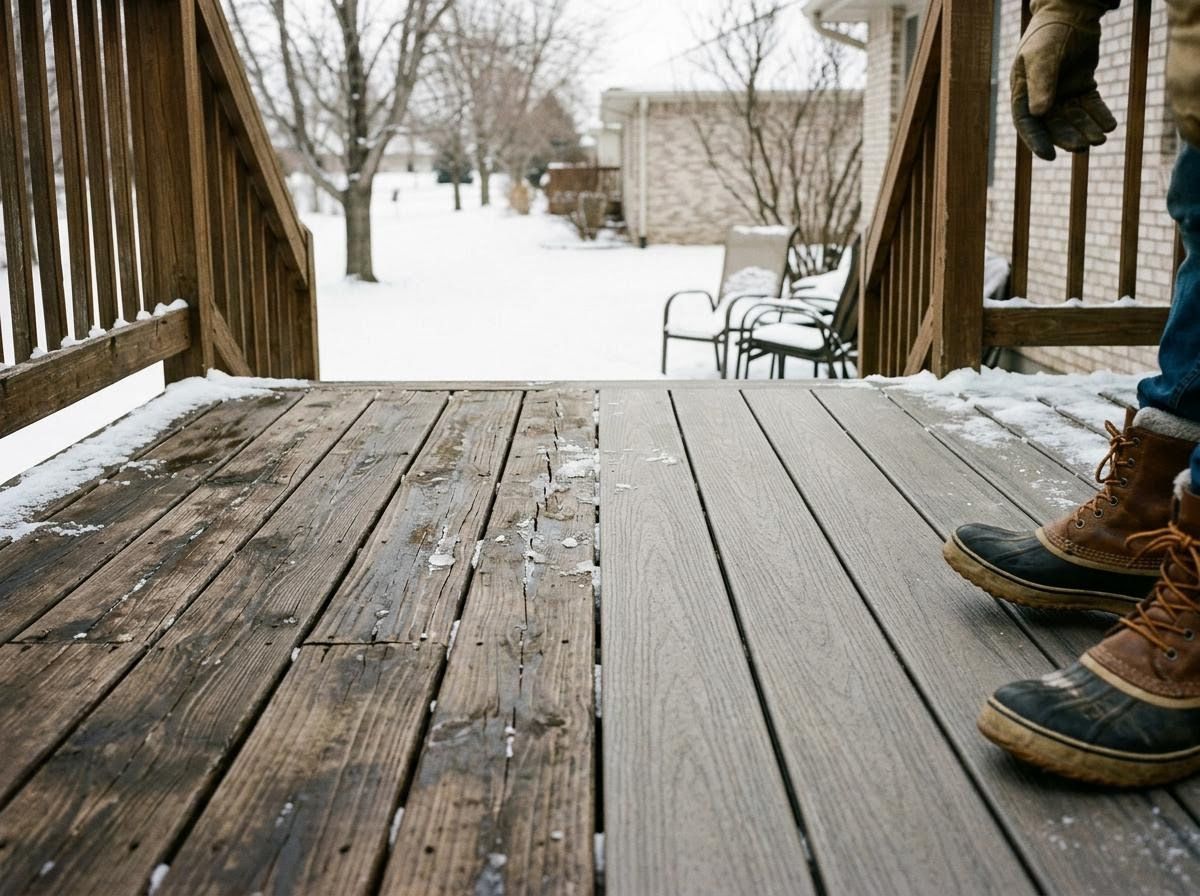
When planning a new deck or considering an upgrade, especially in a region with challenging weather, selecting the right material is paramount for both aesthetics and durability. Nebraska winters, with their fluctuating temperatures, heavy snowfall, and ice, put immense stress on outdoor structures. This blog post aims to compare TimberTech composite decking with traditional wood decking, helping you understand which material might offer superior resilience against these harsh conditions. At Building on the Rock LLC, we understand that an informed decision leads to a deck that stands the test of time and weather.
Understanding Your Decking Material Options
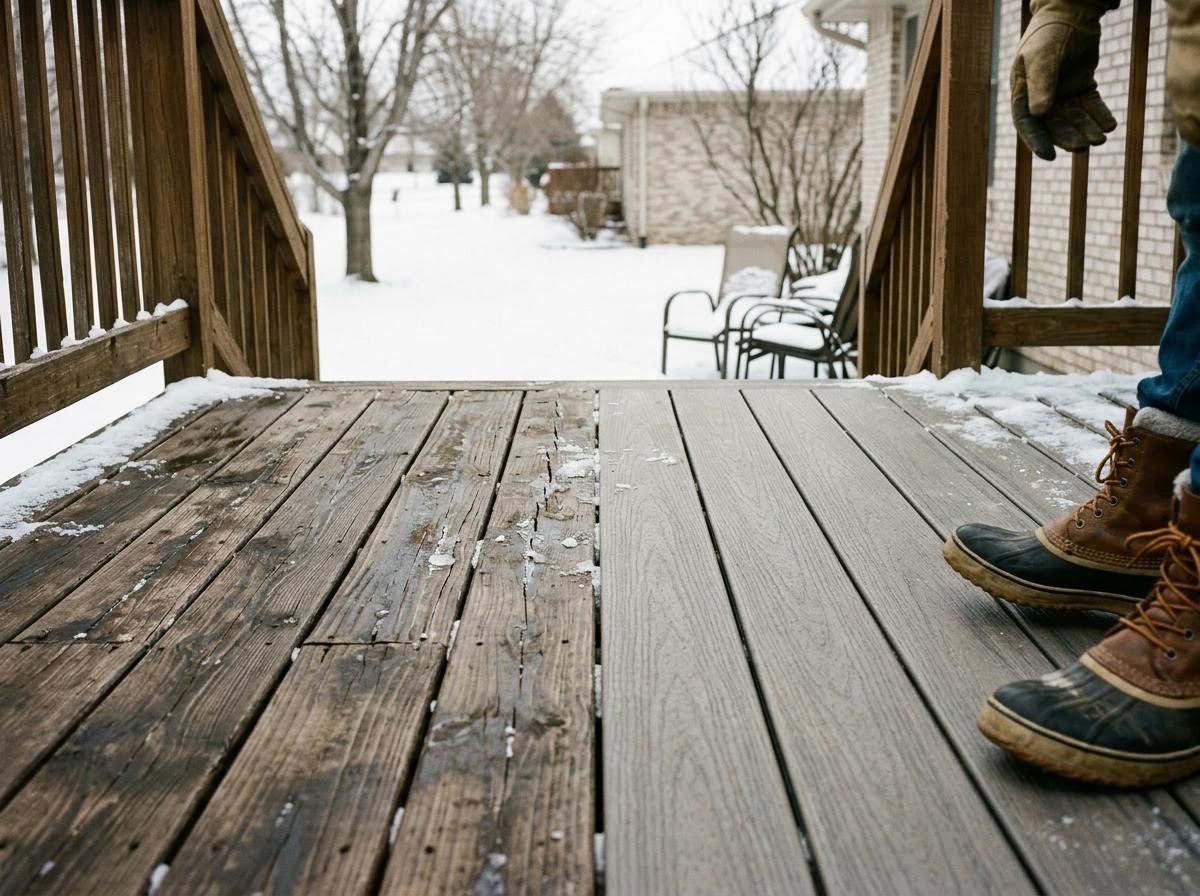
Traditional wood decking, often made from cedar, redwood, or pressure-treated pine, offers a classic, natural appeal that many homeowners cherish. Its warm aesthetic and unique grain patterns are undeniable. However, wood is an organic material, susceptible to moisture absorption, rot, insect infestation, and UV damage. In contrast, TimberTech represents advanced composite decking. These boards are engineered from a blend of recycled plastic and wood fibers, encased in a protective cap. This construction is designed to mimic the look of natural wood while eliminating many of its vulnerabilities.
The Impact of Nebraska Winters on Decking
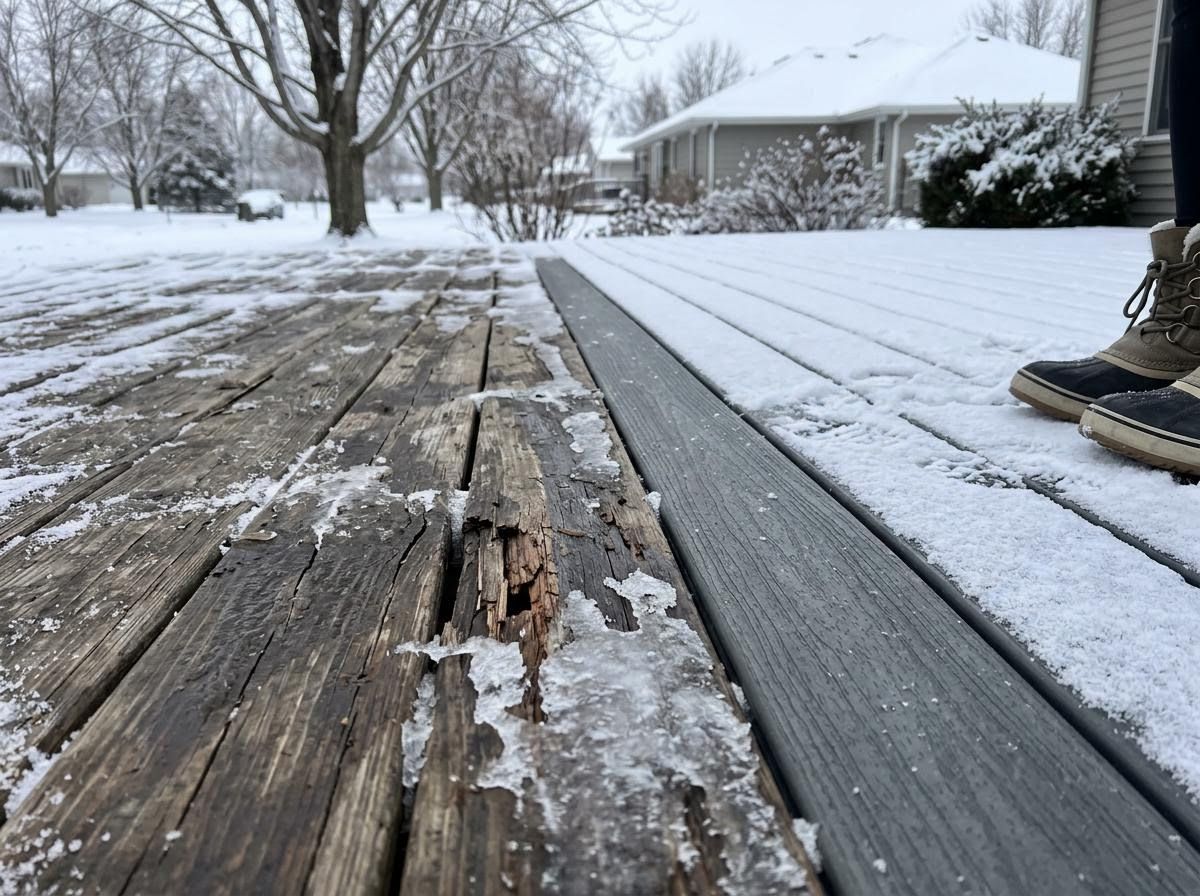
Nebraska winters are characterized by significant temperature swings, from freezing lows to occasional mild spells, coupled with heavy snowfall and subsequent thawing and refreezing cycles. These conditions are particularly harsh on materials. Natural wood can absorb moisture from snow and ice, leading to swelling, cracking, warping, and splintering as it freezes and thaws. Constant exposure to moisture can also accelerate fungal growth and rot. TimberTech composite decking, by design, resists moisture absorption. Its protective cap shields the core from water, preventing the common issues of rotting, warping, and splintering that plague wood. This inherent resistance makes it a more stable material through repeated freeze-thaw cycles.
Maintenance and Longevity Considerations
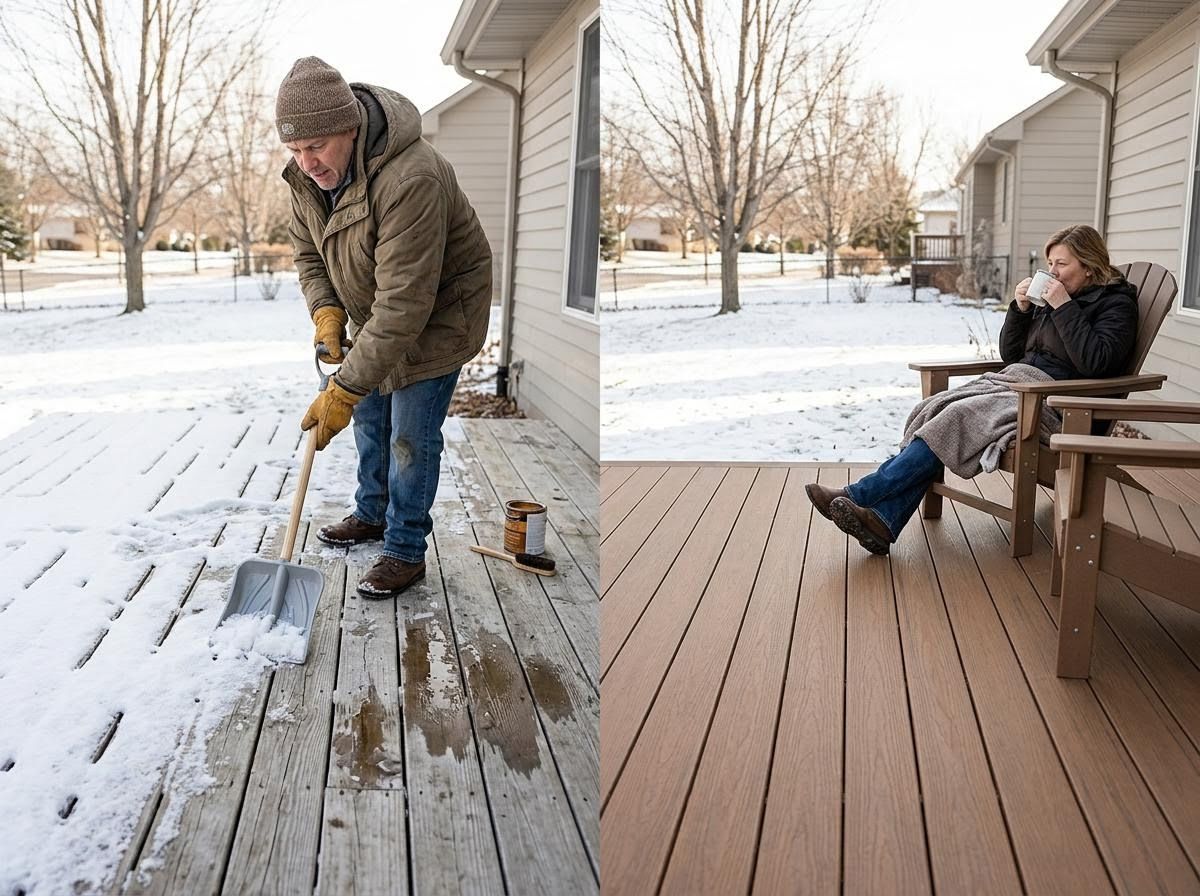
The long-term performance of your deck, particularly through harsh winters, is closely tied to its maintenance. Wood decks require regular sealing or staining to protect them from moisture and UV damage, a task that often needs to be done annually or biennially. During winter, standing snow and ice on a wood deck can accelerate deterioration, requiring careful removal to prevent damage. For those seeking the best deck building Lincoln Nebraska offers, understanding these maintenance demands is crucial. Composite Deck Builders Lincoln Nebraska often highlight the low-maintenance benefits of TimberTech. It does not require staining, sealing, or painting. A simple cleaning with soap and water is usually sufficient to maintain its appearance, even after a long winter. This significantly reduces the effort and cost associated with upkeep over the deck's lifespan.
Planning, Permits, and Customization
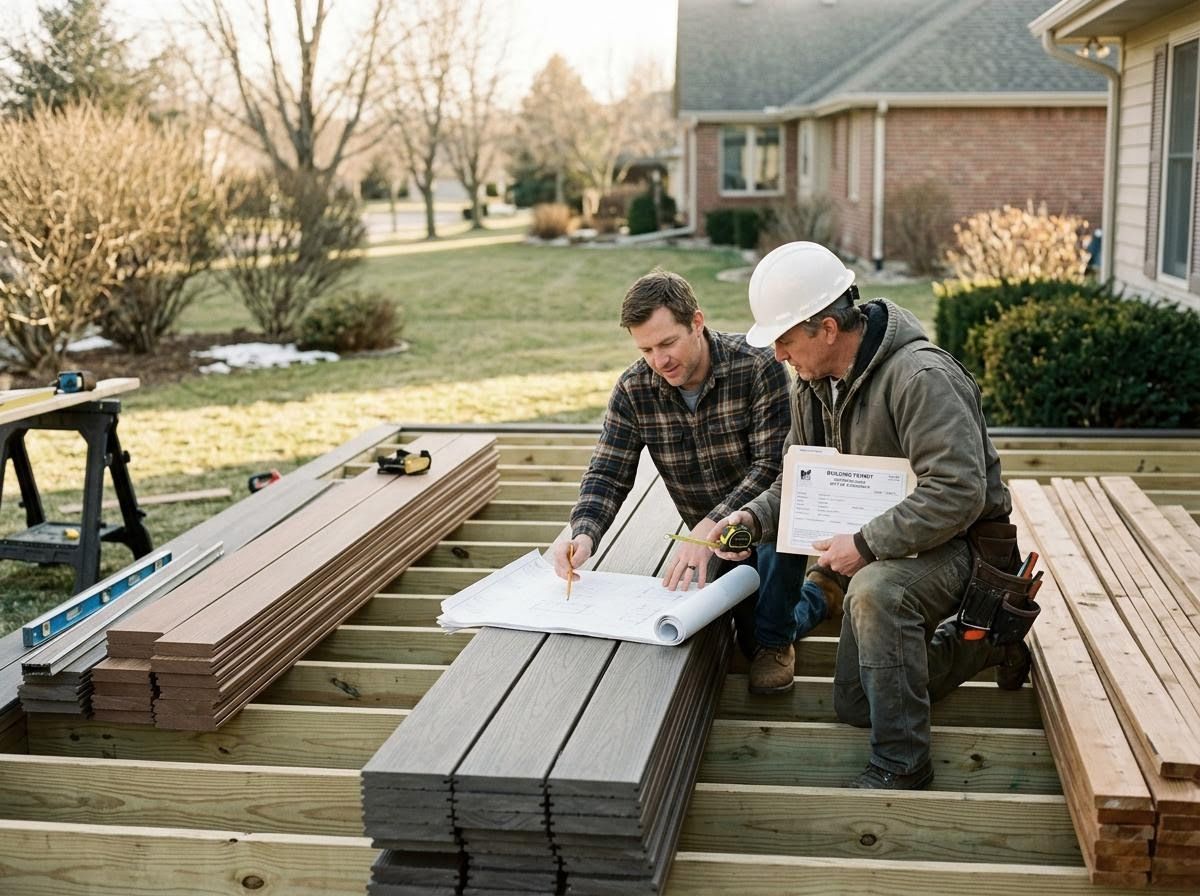
Regardless of the material chosen, proper planning and construction are vital for a durable deck. Securing deck building permits Lincoln Nebraska requires adhering to local codes and standards, ensuring safety and structural integrity. Both wood and composite materials allow for a wide range of designs. A skilled Custom Deck Builder Lincoln Nebraska can work with either material to create a space tailored to your specific vision and home architecture. While the initial investment for TimberTech might be higher than some wood options, its longevity, reduced maintenance costs, and superior resistance to winter elements often provide greater long-term value, offsetting the upfront cost.
Choosing the right decking material for your home involves weighing initial costs against long-term maintenance, durability, and aesthetic preferences, especially when considering the rigors of Nebraska winters. While traditional wood offers timeless appeal, the advanced engineering of TimberTech composite decking often provides a more robust and lower-maintenance solution against moisture, freezing, and thawing. To explore the best decking solution for your home, consider consulting with experienced professionals at Building on the Rock LLC to discuss how these materials align with your outdoor living goals and local building requirements.